 |
NATO Surveillance Comitee
|
|
NATO Surveillance Comitee
|
Alarm NATO "#100 - 3rd quarter 2026
NATO-RUSSIA: WHO IS THREATENING WHOM?
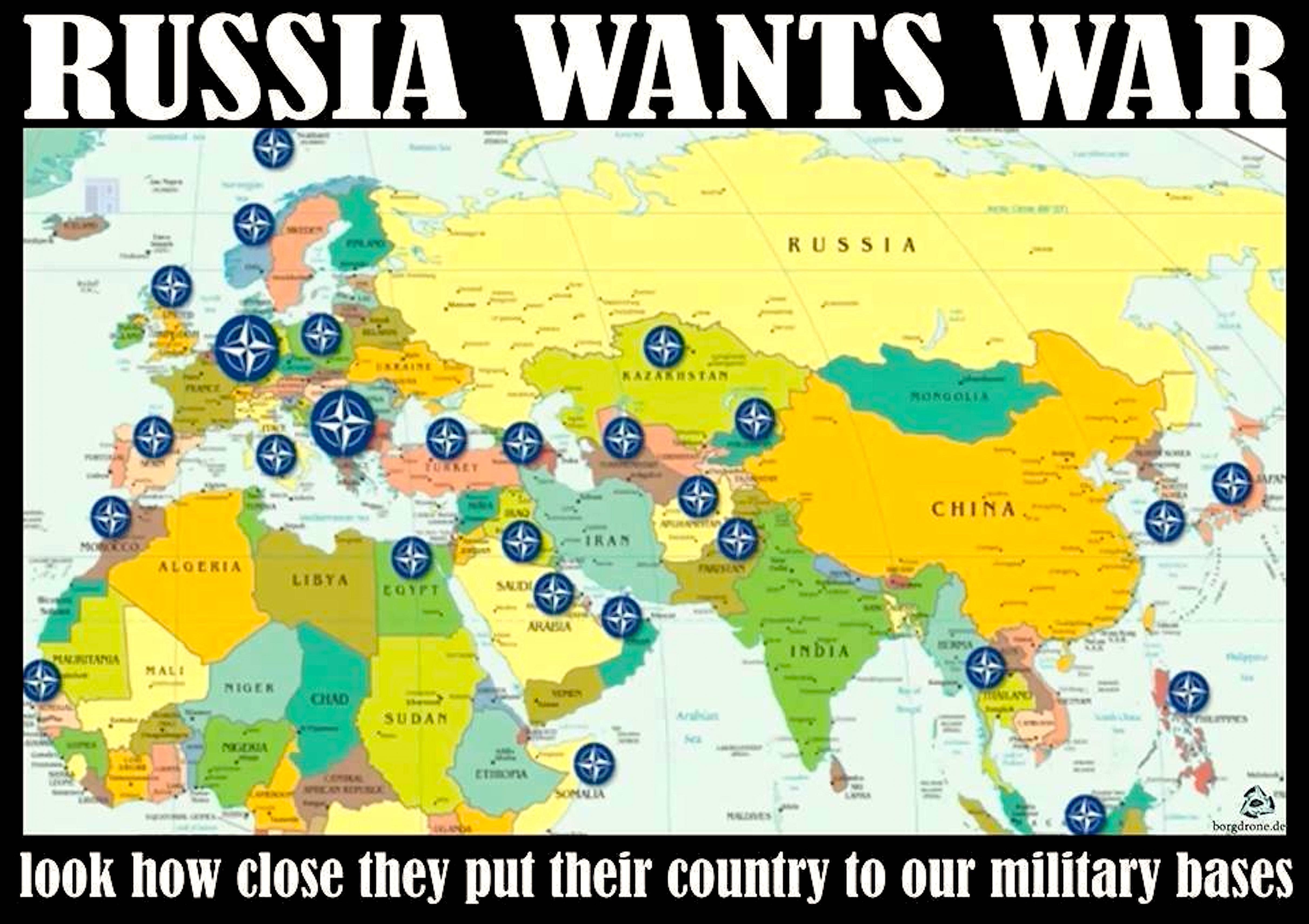
The mainstream media bombards us daily with statements from politicians, high-ranking military officials, and experts of all stripes, warning us that Russia is preparing to attack European countries in the increasingly near future: 2030, 2029, or even sooner. Just recently, an assessment by anonymous U.S. intelligence officials was “leaked” to the press at just the right moment, predicting a Russian attack on a NATO member country, perhaps as early as this fall.
At the same time, the same media outlets keep telling us that Russian troops are bogged down in the Donbas, advancing just a few square kilometers a month—if they aren’t losing ground at all. Yet none of them explain how, under these circumstances, Moscow could possibly have the capacity to invade the Baltic states, Poland, or even Germany—even as the Kremlin has consistently denied any such intention.
In the West, a few voices are attempting to debunk the absurdity of the “Russian threat” scare tactic. But these voices are systematically ignored by the mainstream media.
Consequently, one might wonder about the motives behind the persistence of this alarmist and anxiety-inducing rhetoric. It serves, of course, to justify the exponential increase in NATO countries’ military budgets and massive arms purchases, primarily from the United States. Weapons that, in the best-case scenario, will never be used and will have served only to ruin social security and justify a thousand and one austerity measures decided upon by our leaders.
This “politics of fear and lies,” denounced by former Belgian Defense Minister André Flahaut, could also be paving the way for a NATO “preemptive war” against Russia. This is what Italian Admiral Cavo Dragone, chairman of the NATO Military Committee, suggests, as does the Lithuanian Minister of Foreign Affairs, who believes NATO could easily “neutralize the small fortress” of Kaliningrad on the Baltic Sea. If we add to this NATO’s expansion to Russia’s borders and the hundreds of billions spent supporting the armed forces in Kyiv, one might logically wonder whether it is not NATO that—without waiting for the end of the Ukrainian conflict—is seeking a pretext to strike Russia and inflict upon it the “strategic defeat” that Atlanticist leaders dream of.
“It is NATO that has come to Russia’s doorstep, not the other way around,” André Flahaut recently acknowledged: Hope comes from all these voices—from labor unions, pacifists, climate activists, anti-war advocates, and people of various political and religious persuasions—who are speaking out ever more forcefully and seeking to unite in opposition to the madness of war that NATO is very concretely preparing, hidden behind the false pretext of “the Russian threat.”
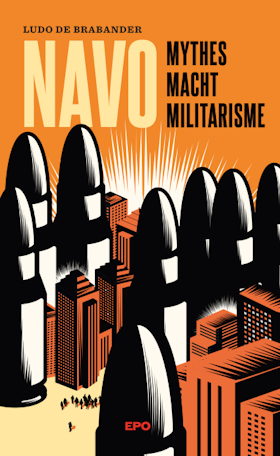
Ludo De Brabander
|
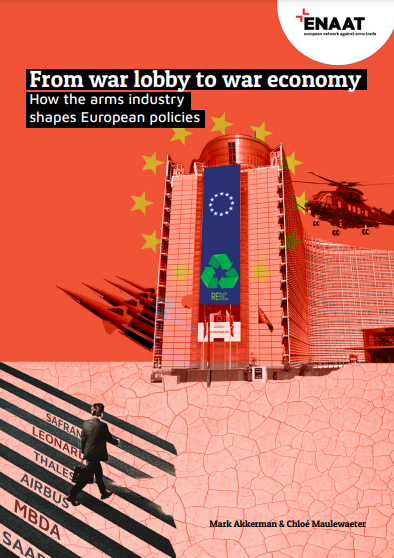
ENAAT
|
|
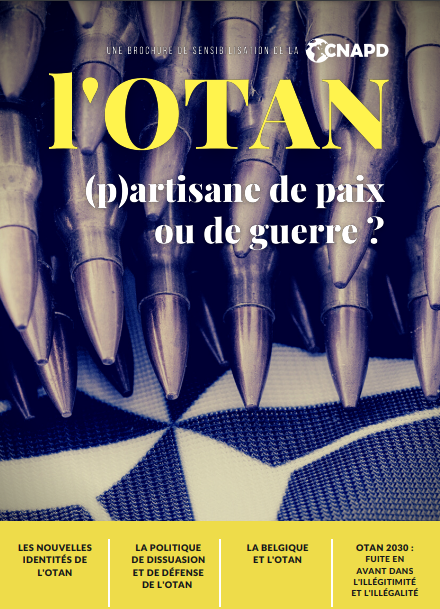
Brochure de la CNPD
|
Manlio Dinucci
|

|
|